
Ehlers-Danlos Syndrome (EDS) experts estimate that although the current EDS diagnosis is around one out of every 2,500 to 5,000 people, the actual number of people living with EDS is much higher.
The syndromes can be misdiagnosed or undiagnosed for years because they present themselves in a variety of ways, often mimicking other conditions. To the untrained eye, EDS symptoms may look like unrelated symptoms, but show a clear pattern to an experienced EDS practitioner.
Nothing about EDS is common, but all symptoms point to a genetic defect in connective tissue.
Hypermobility — common symptom in people living with EDS is hypermobility and extreme flexibility, often being called “double-jointed,” along with hyperextension and dislocation of joints
Loose skin — fragile, elastic skin that tears and bruises easily and can be slow to heal
Joint Pain — typically severe joint pain
Gum Disease — gums are more prone to infection, inflammation, and even recession
Mitral Valve Prolapse — the blood flow between the heart chambers is impacted because of weakened valves
Headaches — painful
Ehlers-Danlos Syndrome (EDS) is a group of connective tissue disorders that affects the skin, joints, and blood vessels. Symptoms can vary based on the type of EDS, but some of the most common include:
Headaches or migraines — caused by muscular spasms in the temples or back of the head, circulatory constriction or dilation around the head, or displacement of the vertebrae
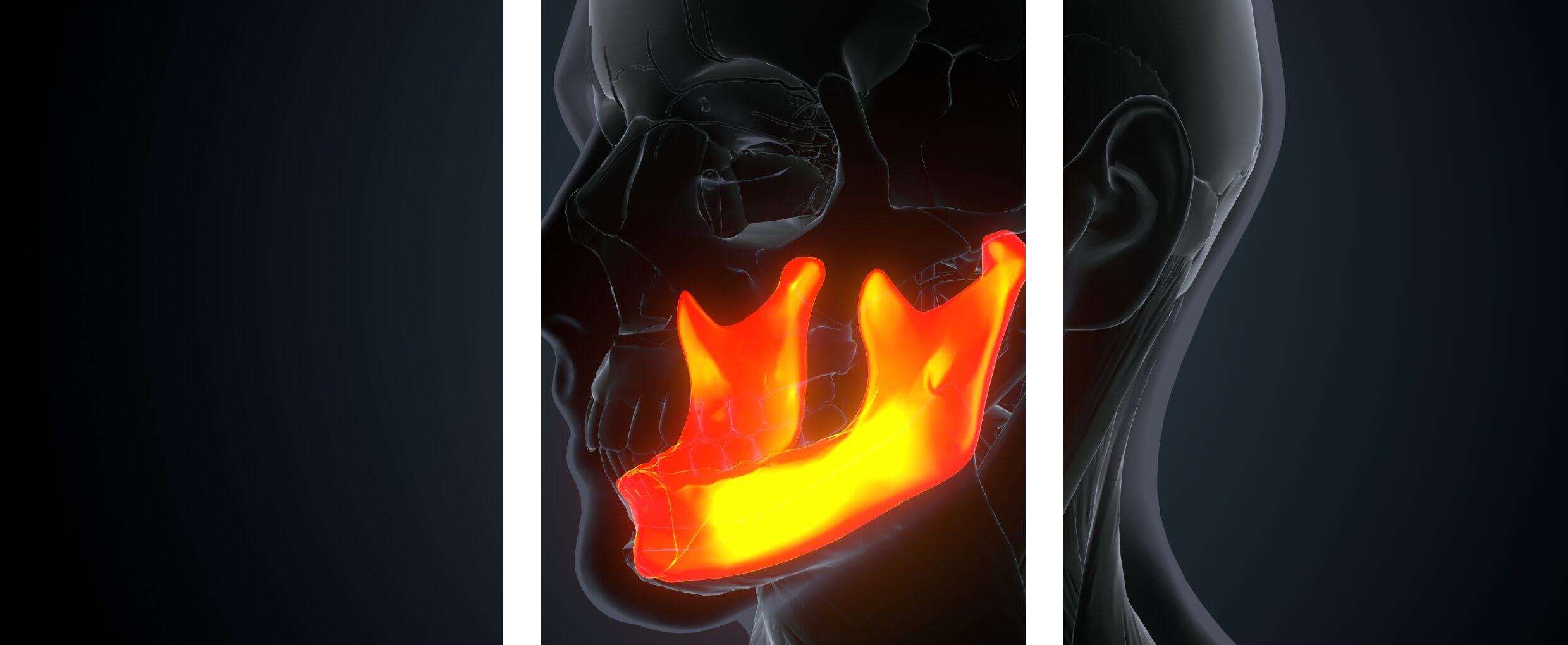
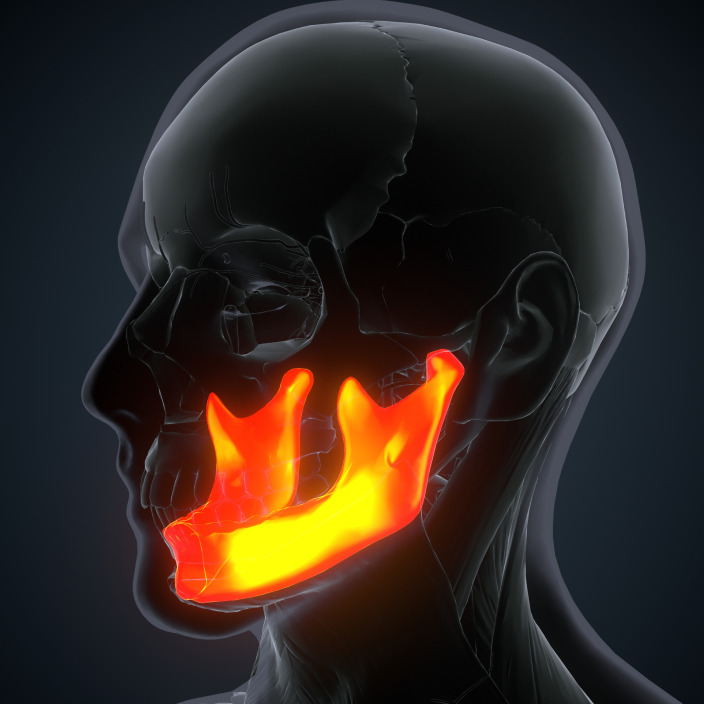
The TMJ can become dislocated, as with so many other joints in the body of a person living with hypermobility and EDS. The dislocated TMJ creates a series of symptoms that can have a serious impact on an individual’s quality of life.
While an EDS patient will almost always present with TMJ and other dental and craniofacial problems, treating these issues is much different for a patient living with EDS. Finding a physician who is experienced and knowledgeable about EDS is the first and most important step to treating EDS and living with an improved quality of life.
Call to Schedule Book an Appointment Connect with Us
Having 40 years of trusted dental care, we are serving Beavercreek and the nearby areas.

We are using advanced diagnostic tools including digital X-rays for more accurate result.

We offer same-day emergency dental appointments when pain becomes severe and can’t wait.

Integrating flexible payment options, we ensure our treatment becomes accessible for everyone.
